
Pelvic Floor Physical Therapy for Women: Evidence-Based Care at Every Age
Why Every Woman Can Benefit—At Every Stage of Life
If you’re reading this and wondering, “Is pelvic health physical therapy really for me?”
The answer is very likely yes.
Pelvic health physical therapy is often misunderstood as something only needed after childbirth or when symptoms become severe. But medical research and clinical experience tell a very different story:
Pelvic health physical therapy supports women at every stage of life—before symptoms begin, during major transitions, and as the body changes with age.
At 4:8, we believe pelvic health PT exists FOR YOU—to educate, prevent, restore, and support lifelong movement and confidence.
What Is Pelvic Health Physical Therapy?
Pelvic health physical therapy focuses on the muscles, connective tissues, and nerves of the pelvic region—but its impact extends far beyond the pelvis.
From a medical perspective, the pelvic floor works as part of an integrated system that includes:
The diaphragm (breathing muscle)
The deep abdominal wall
The spine and rib cage
The hips and nervous system
Research consistently shows that the pelvic floor and diaphragm move together with every breath. When this coordination is disrupted—due to stress, injury, hormonal changes, or lack of education—symptoms such as pelvic pain, urinary leakage, pressure, or movement limitations can appear.
Pelvic health PT does not simply strengthen muscles.
It restores coordination, adaptability, and confidence.
Pelvic Health Physical Therapy Before or At First Menses
Early education plays a powerful role in lifelong pelvic health.
Studies show that many adolescents lack basic understanding of pelvic anatomy, bladder and bowel habits, and menstrual health. This gap often leads to delayed care, unnecessary pain, and normalization of symptoms that are not actually normal.
Pelvic health PT at this stage focuses on:
Education about anatomy and function
Healthy bladder and bowel habits
Breathing mechanics and posture
Reducing fear around periods and movement
This phase is about prevention and empowerment, not treatment. When young women understand their bodies early, they are more likely to seek care appropriately and confidently later in life.
Pelvic Health Physical Therapy During Pregnancy
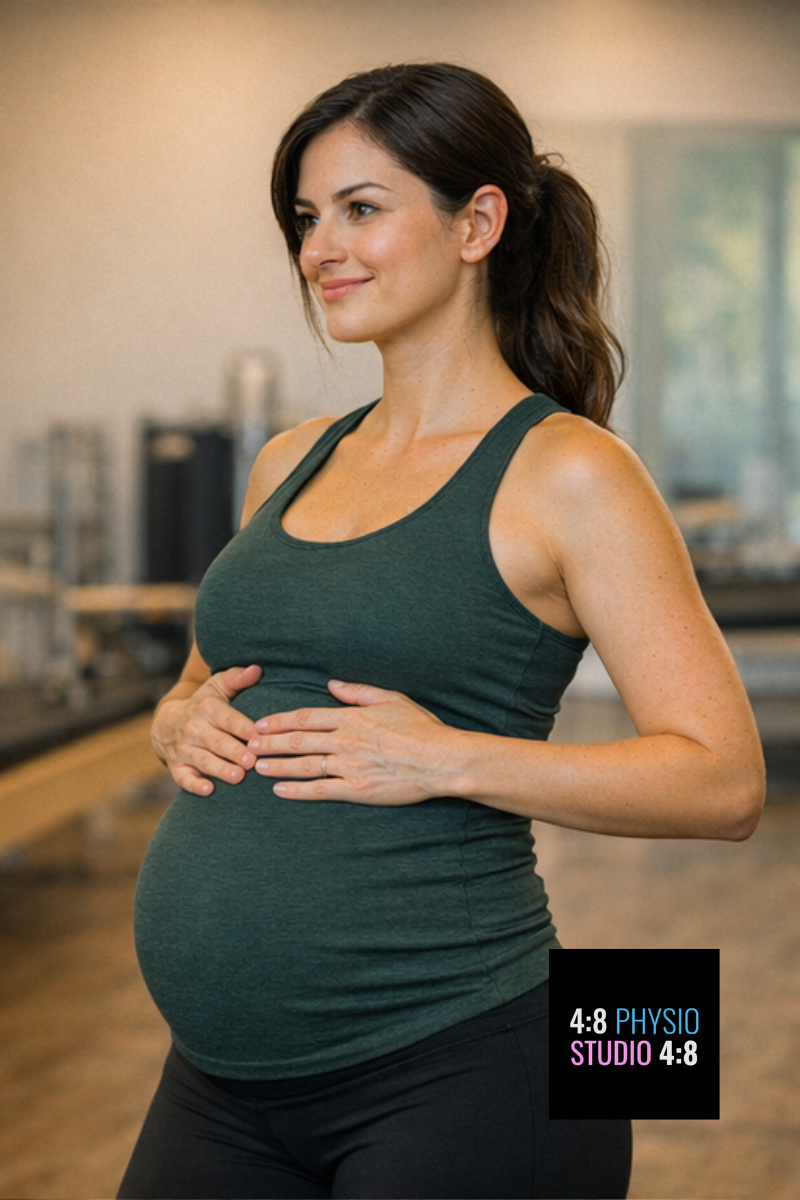
Pregnancy creates significant biomechanical and hormonal changes that affect the entire body.
As pregnancy progresses:
Intra-abdominal pressure increases
Breathing mechanics shift
The rib cage and pelvis adapt
Connective tissue elasticity changes due to hormones
Evidence supports pelvic health physical therapy during pregnancy for reducing low back and pelvic pain, improving function, and supporting preparation for delivery.
Importantly, pelvic health PT during pregnancy is not about “tightening” the pelvic floor. Instead, it emphasizes:
Breathing and pressure management
Coordinated pelvic floor relaxation and support
Movement strategies that reduce strain
Education that reduces fear around birth
A healthy pelvic floor is responsive and adaptable, not rigid.
Pelvic Health Physical Therapy After Delivery (Vaginal or Cesarean)
Birth—regardless of how it occurs—is a major physical event.
Research shows that postpartum pelvic floor symptoms are common and can include:
Urinary or bowel changes
Pelvic or perineal pain
Abdominal wall dysfunction
Decreased confidence with movement and exercise
Despite this, many women receive minimal assessment after delivery.
Pelvic health physical therapy postpartum supports:
Healing of muscles, nerves, and connective tissue
Scar mobility following vaginal or cesarean birth
Restoration of coordinated breathing and core function
Safe return to lifting, exercise, and daily activities
Pelvic health PT helps women move forward with confidence and clarity, not uncertainty.
Pelvic Health Physical Therapy for Sports and Strength Training
Pelvic floor symptoms during exercise—such as leaking, pressure, or pain—are common, but they are not a normal or inevitable part of being active.
Evidence shows that pelvic floor dysfunction can affect:
Athletic performance
Load tolerance
Injury risk
Confidence during training
Pelvic health physical therapy for active women focuses on:
Coordinating breath with effort
Managing intra-abdominal pressure
Improving force transfer and stability
Supporting long-term athletic longevity
True strength is not just about muscles—it’s about how efficiently the entire system works together.

Pelvic Health Physical Therapy During Perimenopause and Menopause
Hormonal changes during perimenopause and menopause affect more than reproductive health.
Declining estrogen levels influence:
Tissue elasticity
Blood flow
Muscle coordination
Nervous system sensitivity
Women may notice new symptoms such as urinary urgency, pelvic pressure, pain with intimacy, or back and hip discomfort.
Pelvic health PT during this stage supports:
Tissue health through appropriate loading
Adapted movement and breathing strategies
Continued strength and confidence
Long-term function and quality of life
This stage of life is not about doing less—it’s about adapting wisely.
Why Pelvic Health Physical Therapy Is For YOU
Across every life stage, the evidence points to one truth:
The pelvic floor does not function in isolation.
It responds to breathing, movement, hormones, stress, and life experiences. When supported appropriately, it adapts beautifully.
Pelvic health physical therapy exists FOR YOU:
Before symptoms begin
During major life transitions
When pain or dysfunction appears
To support lifelong movement and confidence
Not because something is wrong with you.
But because your body deserves informed, compassionate care.
If you’re curious whether pelvic health physical therapy could support you at your current stage of life, we’d love to help you explore that - education & YOU always come first.
