Pelvic Floor PT for Low Back Pain: How Your Core Actually Works
Low back pain affects up to 80% of adults at some point, but what many people don’t realize is that the pelvic floor is an essential stabilizer of the spine. When the pelvic floor isn’t coordinating properly, the deep core system becomes less efficient, increasing strain on the lumbar spine. Pelvic floor physical therapy (PFPT) helps restore this system so patients can finally get long-term relief instead of constantly managing flare-ups.
THE DEEP CORE EXPLAINED
The deep core is a pressure management system made up of four structures:
• The diaphragm
• The transverse abdominis
• The pelvic floor
• The multifidus muscles along the spine
When one part isn’t functioning well—especially the pelvic floor—the system cannot stabilize efficiently. This can lead to recurrent low back pain, stiffness, and difficulty lifting, running, or even standing for long periods.
This is why many patients who have “tried everything” finally get relief when pelvic floor PT is added to their treatment plan.
WHY THE PELVIC FLOOR MATTERS FOR BACK PAIN
Common pelvic floor contributors to back pain include:
• Hypertonic (overactive) pelvic floor muscles
• Underactive or delayed pelvic floor coordination
• Scar tissue from childbirth or abdominal surgeries
• Breathing mechanics that disrupt pressure control
• Postural changes postpartum or after injury
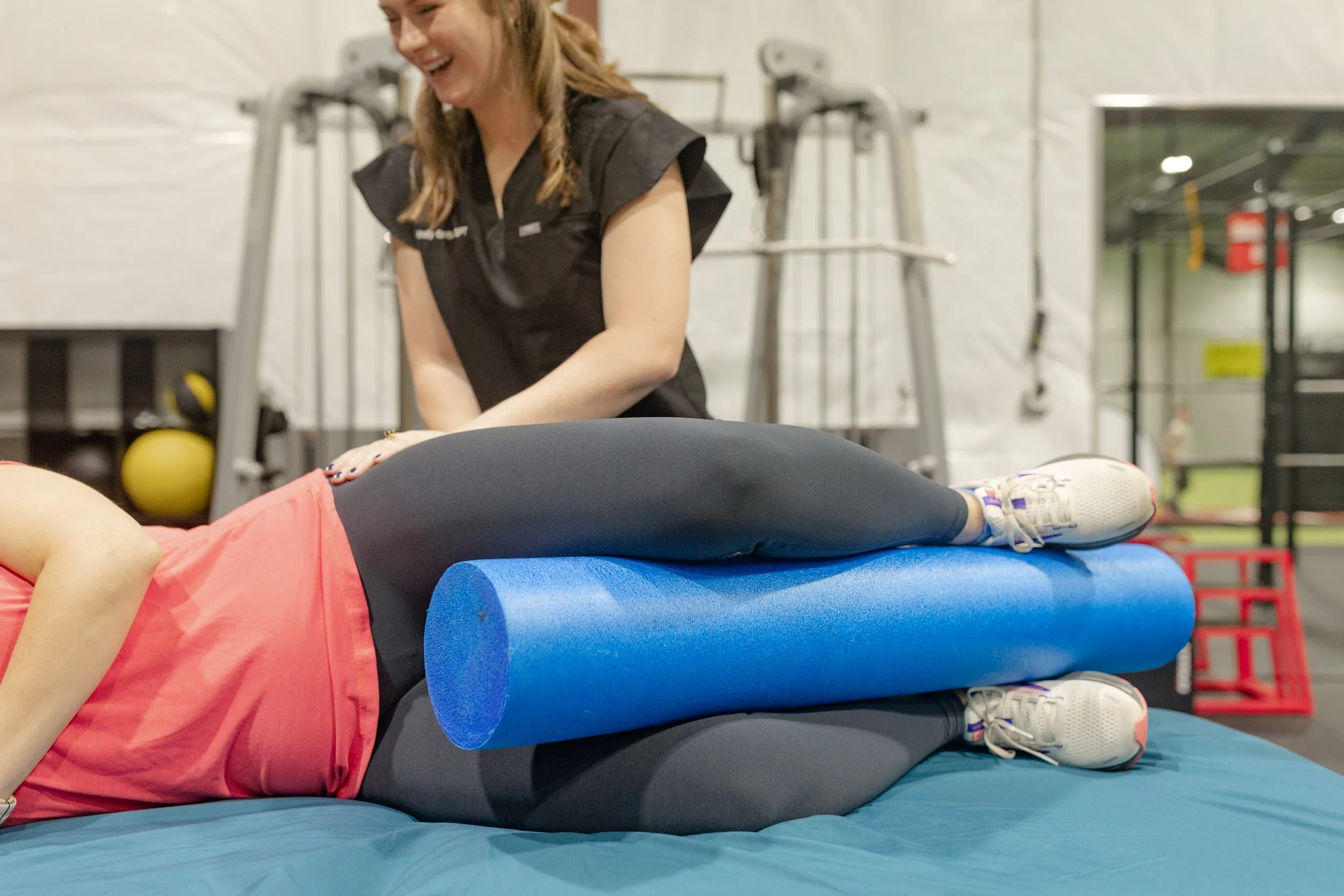
PFPT uses manual therapy, biofeedback, neuromuscular retraining, and movement-based rehab to restore pressure balance and support the spine.
WHAT A TYPICAL PLAN OF CARE LOOKS LIKE
Treatment may include:
• Internal or external pelvic floor assessment
• Posture and gait evaluation
• Breathing retraining
• Dry needling (if appropriate)
• Pilates-based strengthening for full-body support
• Functional lifting training
Most patients begin noticing improvements within 2–4 sessions.
Book a Pelvic Floor PT Eval here
Pelvic Floor and Lower Back Pain in Pregnancy - Evidenced Based Birth